

Specialty Services
At Willow Health, specialty care means more than adding extra services. It reflects Dr. Jessie Lindemann’s personal journey as a cancer survivor and her commitment to offering care that goes deeper than the basics. These services are especially important because many patients leave oncology care with unanswered questions about what comes next. Willow Health was created to fill that gap, providing long-term guidance, risk assessments, and care plans that address unique needs.
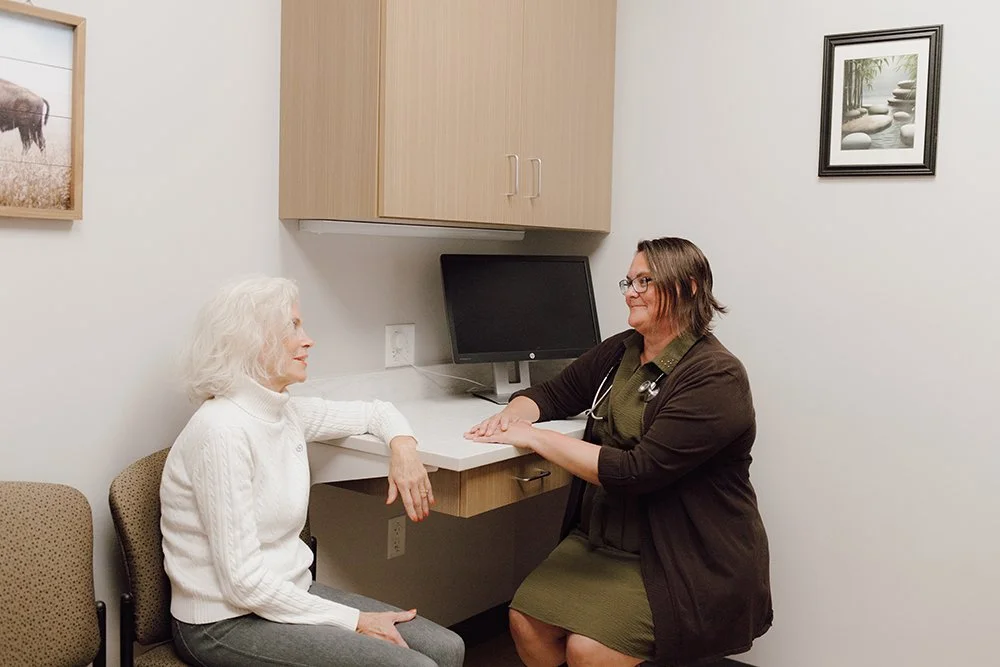
Long Term Care for Cancer Survivors
Dr. Lindemann knows firsthand what it feels like to leave the oncologist’s office and wonder, “Now what?” As both a physician and a survivor, she provides specialized care that follows National Comprehensive Cancer Network (NCCN) guidelines and draws from her training in Cancer Survivorship at the University of Minnesota. At Willow Health, survivorship care means helping you stay well after treatment, monitoring for new concerns, and supporting your overall health for years to come.
Examples of what we address in survivorship care include:
Monitoring for recurrence of the original cancer
Screening for secondary cancers caused by past treatment
Managing long-term effects of chemotherapy or radiation, such as fatigue, bone loss, or heart issues
Creating individualized Survivorship Care Plans tailored to your diagnosis and treatment history
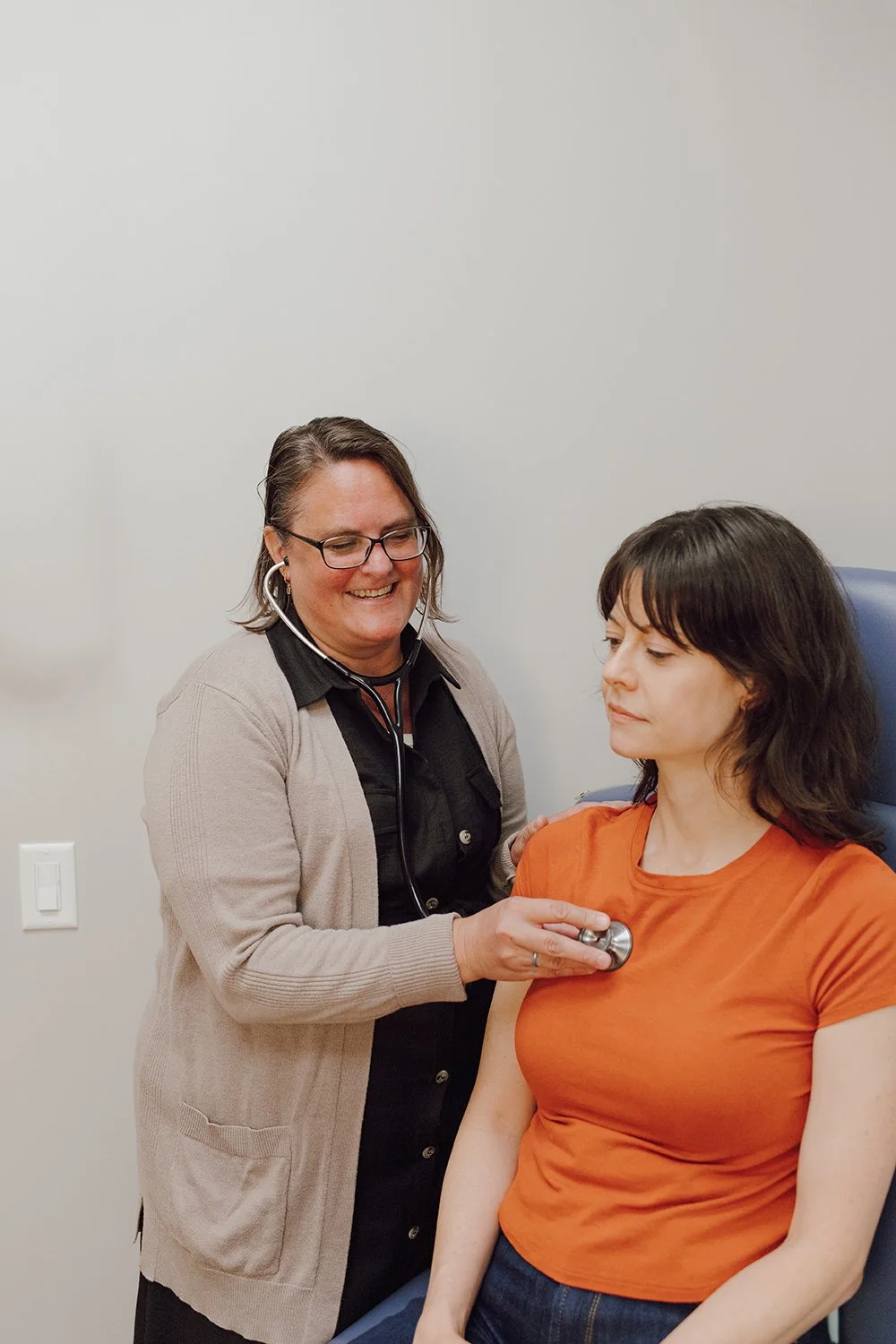
Breast Cancer Risk Assessment
Knowing your risk is the first step toward prevention. At Willow Health, we review your personal and family history, lifestyle factors, and age-related risks to provide a clear picture of your breast cancer risk and help you decide on the right screenings.
According to the American Cancer Society, about 1 in 8 women in the U.S. (13.1%) will be diagnosed with invasive breast cancer during her lifetime, and 1 in 43 (2.3%) will die from the disease (American Cancer Society, Breast Cancer Facts & Figures 2024–2025). These statistics show the importance of early detection and individualized risk assessment.

Examples of what we address in breast cancer risk assessment include:
Reviewing family and genetic history to understand inherited risks
Assessing lifestyle factors such as age, reproductive history, and hormone use
Ordering appropriate screenings such as mammograms or ultrasounds
Providing referrals for genetic counseling when needed
Developing a personalized plan for long-term breast health monitoring

Schedule Your Specialty Appointment
Schedule your specialty appointment today through our booking link and take the next step in protecting your long-term health. Whether you are a survivor or want to better understand your risk, Willow Health is here to provide expertise, guidance, and compassionate care.
Give us call us at 701-658-5577 or